Reclaiming Energy Through Creativity

Fatigue isn’t just tiredness—it’s a deep, multidimensional experience that can drain physical, emotional, and mental reserves. It often shows up as persistent exhaustion, lack of motivation, emotional flatness, and cognitive fog. Whether triggered by stress, burnout, chronic illness, or psychological strain, fatigue can quietly erode a person’s sense of vitality and joy.
When energy feels scarce, even traditional talk therapy can feel overwhelming. Art therapy offers a different approach—a gentle, creative doorway back to self. Through color, texture, and movement, it creates space for emotional release and self-discovery without demanding verbal processing.
Why Art Therapy? A Gentle Path Back to Energy
Unlike traditional talk therapy, which can feel demanding when energy is low, art therapy meets clients where they are. It offers low-pressure, sensory-rich ways to express and process emotions. By engaging the senses and bypassing the analytical mind, art-making allows healing to unfold organically.
Research supports this approach. Studies show that engaging in creative arts can reduce cortisol levels (a key stress hormone) and improve mood regulation. Neuroscience findings also indicate that art-making activates reward pathways in the brain, fostering feelings of pleasure and accomplishment even in states of depletion.
Practical Art Therapy Exercises for Fatigue
1. Color Mapping for Energy Awareness
How it works: Choose colors that represent your current energy state and arrange them on paper. Then select colors that symbolize desired energy and create a second image.
Why it helps: This visual contrast builds awareness of depletion while gently introducing hope for renewal—without requiring verbal effort.
2. Texture Collage for Emotional Release
How it works: Use textured materials such as fabric, paper, or natural elements to create a tactile collage. Pay attention to how the materials feel as you work.
Why it helps: Sensory engagement can ground the nervous system and reduce cognitive fatigue.
3. Energy Flow Drawing
How it works: Draw lines or shapes that represent how energy moves through your body—slow, jagged, blocked, or flowing. Then experiment with transforming those lines into more fluid forms.
Why it helps: Externalizing internal states restores a sense of agency and control over energy patterns.
4. Mandala Creation for Calm
How it works: Create a circular design using colors and patterns that feel soothing. Mandalas naturally support mindfulness and emotional regulation.
Why it helps: Mandala-making has been linked to reduced anxiety and improved focus—both essential for combating mental fog.
5. Visual Gratitude Journal
How it works: Instead of writing, draw or collage one image each day that represents something you appreciate.
Why it helps: Gratitude practices improve mood and resilience, and visual journaling keeps the process accessible when words feel heavy.
Long-Term Strategies for Sustaining Energy Through Art
- Routine Creative Check-ins: Set aside 10–15 minutes weekly for art-making as a self-care ritual.
- Energy Tracking Through Imagery: Notice recurring colors or shapes to monitor shifts in energy over time.
- Community Art Groups: Group creativity reduces isolation and provides emotional nourishment.
Interested in Exploring Art Therapy?
If you’d like to explore these techniques individually or participate in an art therapy group, feel free to reach out.
Email: andrewelmanlpc@gmail.com
Phone: 919-748-1378
Andrew Elman
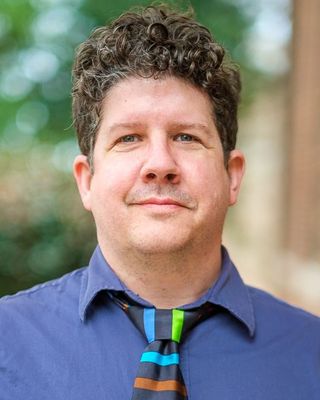
Hi — I'm Andrew Elman
Andrew Elman, LCMHC, ATR is a Licensed Clinical Mental Health Counselor and Registered Art Therapist with 20 years of experience across inpatient, oncology, eating disorder, college counseling, and outpatient settings. He blends expressive art-making with psychotherapy, specializing in adolescents, families, and DBT-informed, trauma-informed approaches.
Schedule a Consultation